Father Day with Floral and Love Shape Review
When I first opened the file for Father Day with Floral and Love Shape, I didn't just see a vector illustration; I saw a potential centerpiece for a very specific kind of heartfelt project. As someone who spends their days testing embroidery files on everything from stiff denim to delicate baby muslin, my initial reaction is always practical: "Can this actually hold up in a machine?" The answer, after a mental walkthrough of the design's anatomy, is a qualified yes, provided you understand where it fits best.
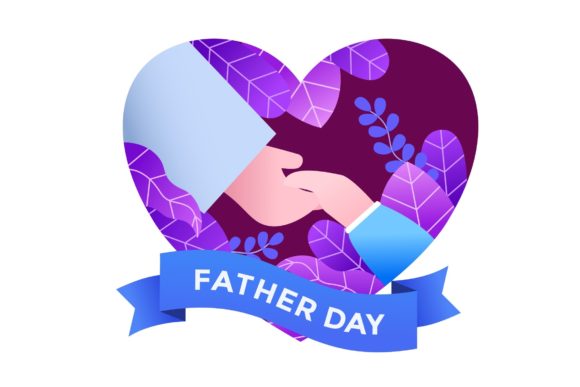
The composition immediately strikes me as warm and inviting. The core imagery of a father's hand holding his son's hand creates an instant emotional connection that is hard to beat for holiday-specific products. However, what makes this design stand out from the sea of generic text-based graphics is the integration of the floral background elements and the love shapes. These aren't just filler; they frame the central action beautifully. In the world of custom apparel and boutique branding, that kind of visual personality is gold. It suggests a finished product that feels curated rather than mass-produced.
Real-World Application: From Screen to Stitch
I recently considered using this design for a batch of personalized tote bags intended for a local Father's Day craft fair. My goal was to create something that felt like a handmade gift but could be produced efficiently enough to sell at a reasonable price point. The layout of Father Day with Floral and Love Shape is versatile enough to work well on canvas or cotton twill, which are common choices for these items.
However, translating a digital graphic into a physical embroidery file requires more than just hitting "stitch." The floral elements need careful consideration regarding stitch density. If the fill stitches are too dense, the fabric might pucker, especially on lighter weight materials often used for tote bags or kitchen towels. Conversely, if the density is too low, the intricate details of the hands might get lost against the texture of the fabric. This is where the true value of a well-designed file comes in. For a small business owner or Etsy seller, the difference between a wrinkled, amateur-looking patch and a crisp, professional finish is often just the right balance of thread tension and stabilizer choice.
I also envisioned this design on a sweatshirt or a heavy-duty apron. The combination of the floral border and the central love motif adds a softness to garments that are typically rugged. Imagine a chef wearing a white apron embroidered with this design while cooking a special family meal. The contrast of the dark threads against the white fabric would make the hands and flowers pop, creating a memorable brand asset for a culinary business or a thoughtful gift for a home cook.
Navigating Fabric Challenges
While this design has great potential, there are specific scenarios where caution is required. One of the most critical factors in embroidery success is the substrate. Father Day with Floral and Love Shape contains fine lines within the floral background and potentially small details in the hand-holding imagery. On stretchy fabrics like thin jersey or knit caps, these details can easily distort during the stitching process unless a high-quality cut-away stabilizer is used underneath.
If you are planning to use this on a curved surface, such as a baseball cap or a bucket hat, you must evaluate the curvature of the design. A flat, rectangular layout might not translate perfectly to the dome of a cap without significant digitizing adjustments. Similarly, on textured fabrics like terry cloth or thick fleece, the depth of the embroidery might cause the design to look muddy. The love shapes and floral elements rely on clean edges to convey their meaning clearly. If the thread bleeds slightly due to fabric texture, the emotional impact of the design diminishes.
Dark fabrics present another hurdle. To ensure the hands and flowers remain visible, you will likely need a higher thread count or a specific underlay technique to prevent the dark background from showing through. This increases the stitch count and the time required for production, which directly impacts your profit margins if you are selling these as commercial goods. Always test your thread colors against the actual fabric before committing to a full run.
Designing for Value and Trust
In the handmade market, customers buy into the story behind the item. A poorly executed embroidery job can undermine the perceived value of even the most expensive product. When Father Day with Floral and Love Shape is stitched correctly, it elevates the entire product line. It signals to the buyer that the maker cares about quality and detail. This is particularly important for personalized gifts, where the recipient expects perfection.
The inclusion of the floral and love elements allows for creative color storytelling. You aren't limited to black or grey threads. You can introduce pastel greens for the leaves, soft pinks for the hearts, and warm skin tones for the hands. This flexibility makes the design ideal for nursery decor, baby clothes, or wedding gifts where a softer palette is preferred. However, this variety requires a robust thread library. If your machine cannot handle multiple color changes efficiently, the production time may become prohibitive for a small shop.
For digital product sellers, this vector illustration serves as an excellent asset for creating printable mockups. Before a customer buys a physical item, they want to see how it looks. Using this design in a mockup generator can help visualize the final result on various products, from tea towels to pillow covers. This transparency builds trust and reduces return rates, as the customer knows exactly what they are getting.
Essential Designer Notes for Success
Before you load this file into your hoop, there are several steps you must take to ensure a professional outcome. First and foremost, always test the design on scrap fabric. Do not skip this step. Check the stitch density to ensure the fill areas are not too tight, which can cause puckering, or too loose, which can leave gaps. Verify that the hoop size accommodates the entire design, including the outer floral borders, without cutting off any essential elements.
Inspect the small details closely. The fingers on the hands and the petals of the flowers are the first things a viewer will notice. If these areas are jagged or unclear, the design loses its charm. Consider running a black and white mockup to check the contrast levels; sometimes colors that look good on screen can blend together when stitched in thread form. Compare how the design performs on both light and dark backgrounds to determine the best thread combinations.
Stabilizer selection is non-negotiable. Depending on the fabric, you may need a tear-away, cut-away, or water-soluble stabilizer to support the design during stitching. Without the correct support, even the best digitized file will fail. Additionally, confirm whether the license terms allow for commercial use. Many designers sell files for personal projects only, so selling finished items made from Father Day with Floral and Love Shape could lead to legal issues if the rights are not cleared.
Finally, think about the end-user experience. Will the embroidery be comfortable? Is it too bulky for a baby's clothing? Does it withstand frequent washing? These questions determine the longevity of your product. By treating Father Day with Floral and Love Shape not just as a graphic but as a functional embroidery project, you ensure that the final result honors the sentiment of the original illustration.
This design offers a wonderful opportunity to create meaningful, high-quality merchandise. Whether you are decorating a custom sweatshirt for a client or adding a touch of elegance to a boutique product line, the key lies in preparation and attention to detail. With the right approach, this vector illustration can become a staple in your collection of design assets, bringing warmth and love to every stitch.