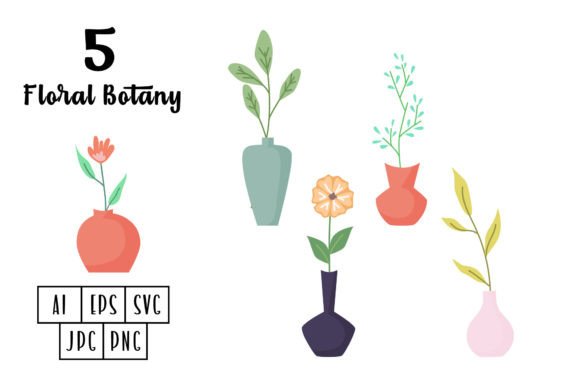
Floral Botany Graphics and Illustrations for Modern Publishing
In the world of digital publishing, a single image often dictates whether a reader stops scrolling or keeps moving. As a designer who has spent years building editorial systems for content websites, I know that visual hierarchy is not just an aesthetic choice; it is a strategic tool. When I first encountered the Floral Botany design asset, my immediate thought was how this could elevate the perceived value of a content brand. This is not merely a decorative element; it is a robust graphic design asset capable of transforming a standard blog post into a polished editorial experience.
The first impression of Floral Botany is one of organic elegance mixed with professional structure. It creates an editorial mood that feels both inviting and authoritative. Whether you are running a lifestyle blog, an educational platform, or an affiliate site focused on wellness and home decor, this asset establishes a tone that is clean, modern, and distinctly artistic. Unlike generic clip art, these Illustrations carry a weight of sophistication that signals to your audience that your content is curated and trustworthy. The botanical theme naturally supports niches that require a sense of growth, freshness, and natural beauty, making it ideal for seasonal campaigns or evergreen guides.
Integrating Floral Botany into Real Publishing Workflows
I approached this review by simulating a real-world content launch. Imagine preparing a comprehensive digital guide on sustainable gardening or launching a new newsletter series on interior trends. The workflow requires a cohesive visual system across multiple touchpoints. This is where the flexibility of the Floral Botany Vector Design Graphic shines. Because the files are vector-based, they remain openable, editable, and resizable without losing quality, which is critical for maintaining sharpness across different devices.
For a blogger creating a featured image, this asset allows for the construction of a compelling hero section that draws the eye immediately. You can layer text over the delicate stems and leaves to create a headline that pops while maintaining readability. In the realm of Pinterest pin creation, the intricate details of the botany theme provide a perfect backdrop for overlaying bold typography, increasing the likelihood of clicks from social feeds. Furthermore, when designing newsletter graphics, the asset adds a touch of personality to email headers, making your messages feel less like corporate blasts and more like personal letters from a creative friend.
The versatility extends to digital products as well. If you are an online educator selling a worksheet or a small business owner offering a downloadable printable, Floral Botany serves as an excellent foundation for covers and internal accents. It transforms a simple PDF into a premium lead magnet. By using these design assets, you ensure that your brand identity remains consistent whether the user is viewing your website header, a social media post, or a printed resource.
Elevating Visual Hierarchy and Reader Trust
One of the most significant challenges in content marketing is establishing trust quickly. A cluttered or low-quality visual can undermine even the best-written article. Floral Botany addresses this by providing a strong visual anchor. When used correctly, it enhances the visual hierarchy of a page, guiding the reader's eye to the most important information. The natural flow of the botanical lines mimics the way readers scan content, creating a subconscious sense of order and professionalism.
This asset is particularly effective for affiliate marketing visuals. When promoting products related to home, fashion, or health, the floral theme softens the sales pitch, making it feel more like a recommendation from a peer than a hard sell. The modern design elements within the collection ensure that the graphics do not look dated, keeping your commercial design efforts fresh and relevant. For a small business branding strategy, having a library of high-quality Illustrations allows for rapid deployment of marketing materials without sacrificing aesthetic standards.
Strategic Placement for Maximum Impact
To get the most out of this asset, specific placements yield better results than others. The hero images of your landing pages benefit immensely from the scale and detail of the Floral Botany vectors. They set the stage for the entire user journey. Similarly, article thumbnails and category visuals should utilize the distinct shapes of the plants to create a recognizable grid on your homepage. This consistency helps users identify your content ecosystem instantly.
In editorial layouts, use the graphics as subtle accents rather than overwhelming backgrounds. Think of them as the margins or borders that frame your text, adding depth without distracting from the message. For social media previews, the high contrast potential of the black-and-white versions (if available) or the vibrant colors can make your links stand out in crowded feeds. When creating a media kit for sponsors, incorporating these creative design elements demonstrates a level of professionalism that attracts higher-tier partnerships.
Navigating Limitations and Best Practices
However, no single asset fits every scenario perfectly. There are contexts where Floral Botany should be used with caution. On very small mobile thumbnails, the intricate details of the botanical design may become muddy or indistinguishable. In these cases, simplifying the graphic or using a solid color version is essential. Additionally, if you operate in a serious professional niche, such as corporate finance or legal services, the playful nature of floral elements might clash with the required tone of extreme seriousness. In those instances, a more minimal visual system would be preferable.
Technical considerations are also paramount for any publisher. Before finalizing any design, you must test the asset on various screen sizes. Does the website header load quickly? Is the file size optimized for web performance? You should preview the graphic inside a real blog layout to ensure it does not break the grid. It is also wise to check contrast and readability by placing the image beside different font styles, including serif, sans-serif, script, and display fonts. Sometimes, a Canva template approach works best to experiment with these combinations before committing to a final build.
Final Thoughts for the Digital Publisher
The decision to integrate Floral Botany into your workflow comes down to the value it brings to your content marketing strategy. It offers a blend of artistic flair and technical utility that is rare to find in a single download. By ensuring you have the proper commercial license, you can confidently use these graphics on monetized websites, affiliate pages, and paid content products. Whether you are creating a digital guide, a printable design, or a dynamic social media graphic, this asset provides the polish needed to compete in today's saturated digital landscape.
Ultimately, the goal of any web design project is to communicate clearly and beautifully. Floral Botany supports this mission by offering a versatile toolkit for creators who refuse to compromise on quality. From the initial click-through to the final download, these Illustrations help tell a story that is visually rich and professionally executed. For bloggers, designers, and entrepreneurs looking to upgrade their visual presence, this is a powerful addition to any creative arsenal.