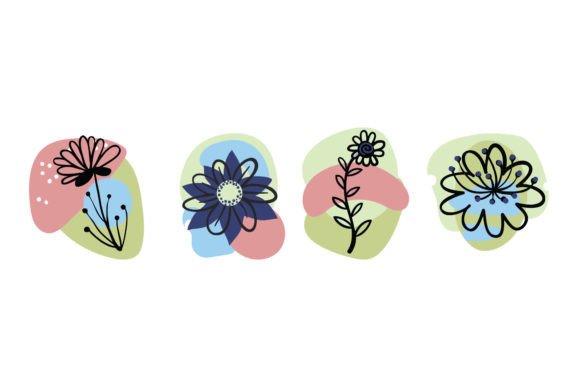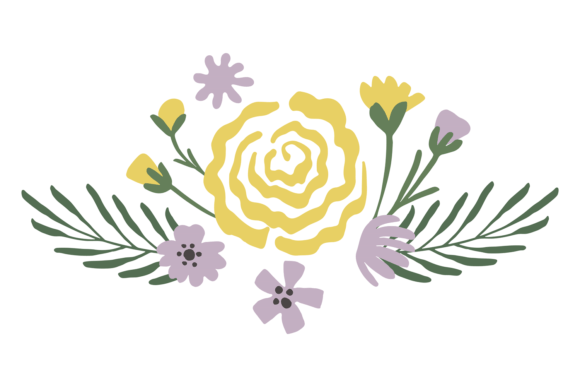
Floral Pattern Element. Hand Drawn Weddi Review
When I first opened the file for Floral Pattern Element. Hand Drawn Weddi, my immediate thought wasn't about the file format or the resolution. It was about the mood. There is a distinct difference between a vector graphic meant for a screen and an embroidery design intended to be stitched into fabric. As someone who has spent years refining designs for client projects, I look for that specific hand-drawn charm that translates well through thread. This piece feels like a gentle whisper rather than a shout, making it perfect for intimate, high-value items where texture matters more than bold impact.
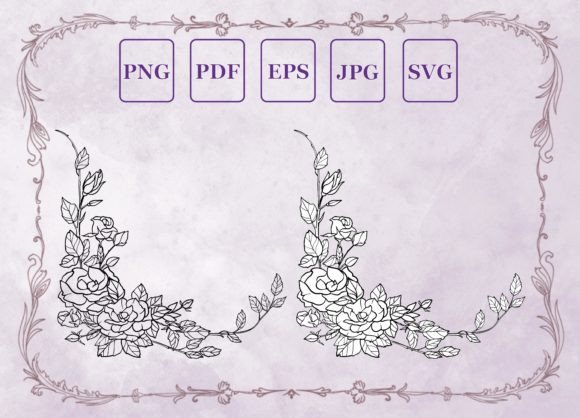
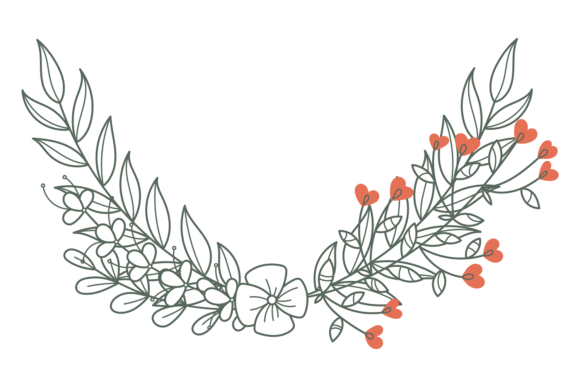
The description highlights that this is a floral pattern element isolated on a white background, available in EPS, JPG, SVG, and transparent PNG formats. While these are standard digital assets, the real test lies in how this Illustrations category item behaves when converted into a physical machine embroidery design. The hand-drawn quality suggests organic lines that might struggle if digitized with rigid, geometric precision, but if handled correctly, it offers a softness that machine-made patterns often lack.
From Digital File to Finished Product: A Real-World Scenario
Let's imagine a practical scenario. You are an Etsy seller preparing a collection of custom wedding gifts. You have a client who wants a personalized apron for her new home, featuring a subtle floral motif alongside her monogram. She specifically asked for something that doesn't look "factory-made" but rather like it came from a boutique studio. This is where Floral Pattern Element. Hand Drawn Weddi becomes a strong contender.
I visualized stitching this onto a heavy cotton canvas apron. The organic curves of the floral element would drape beautifully over the curve of the waistband area. Unlike a dense, blocky logo that can make stiff fabric feel even heavier, this design likely uses a mix of running stitch and delicate satin stitch to mimic the pencil strokes of the original drawing. If executed with the right thread colors—perhaps sage greens, dusty pinks, or warm creams against a natural linen—the result would elevate the perceived value of the finished product significantly. Customers buying handmade goods are looking for authenticity, and this design delivers exactly that feeling of personal touch.
However, the versatility extends beyond aprons. I see this working exceptionally well as a detail on a baby onesie or a nursery pillow cover. The isolated nature of the element means you can easily scale it down without losing its character. For a small shop product line, using this as a signature mark on a tag or a small patch on a tote bag design creates a cohesive brand identity. It signals to the buyer that attention was paid to the details, fostering trust in your craft business.
Navigating Stitch Density and Fabric Texture
While the aesthetic appeal is clear, the technical execution requires careful consideration. Not every embroidery file works on every surface. The hand-drawn style relies on fine lines and varying stroke widths. If you attempt to stitch this on a stretchy knit fabric, like a thin t-shirt or a jersey cap, you risk distortion. The tension of the stitches pulling on the loose weave could cause the floral elements to warp, ruining the delicate balance of the composition.
For best results, stick to stable fabrics. Heavyweight cotton, denim, twill for patches, or woven linens provide the necessary stability for the design to hold its shape. When evaluating stitch density, you must ensure that the digitizer (or your own settings) does not over-stitch the thin lines. Too much density in a running stitch area can make the fabric puckered and stiff, defeating the purpose of the soft, hand-drawn look. Conversely, too little density on a satin stitch border might leave gaps in the thread coverage, making the design look unfinished.
If you are planning to use this for commercial embroidery on dark fabrics, the isolation on a white background is helpful, but you must consider thread contrast. Light-colored threads on dark backgrounds require higher stitch counts to ensure opacity, which again risks stiffness. In such cases, testing a scrap piece is non-negotiable. You need to verify that the thread colors chosen will show up clearly without overwhelming the fabric texture.
Where to Use Caution
There are specific scenarios where Floral Pattern Element. Hand Drawn Weddi might not be the ideal choice. Avoid using this design for very small hoop sizes unless the details are simplified. Tiny corners and intricate intersections in hand-drawn art can become muddy blobs when compressed into a 2-inch circle. Similarly, if you are creating an embroidered patch with a complex border, ensure the outline is robust enough to withstand trimming and sewing onto garments.
Layered garments present another challenge. Embroidering directly over seams or pockets can cause the needle to hit hard surfaces, leading to skipped stitches or broken needles. If you are adding this to a sweatshirt, place it on a flat panel away from zippers or heavy seams. Also, keep in mind that designs with high detail levels may not survive frequent washing if the stabilizer used during production was insufficient. Always recommend proper care instructions to your customers to maintain the integrity of the finished product.
Design Judgment for Small Business Owners
For the creative entrepreneur, the decision to purchase a design asset comes down to ROI and versatility. Does this digital embroidery file offer enough flexibility to justify the cost? In my experience, yes. The ability to use this element across various mediums—from a tote bag design to a holiday gift tag—makes it a valuable addition to your library. It fits seamlessly into themes of weddings, spring collections, and rustic decor.
When creating printable mockups for your listings, this design allows for realistic previews. Because it mimics a hand-drawn sketch, it pairs well with watercolor backgrounds or textured paper images, enhancing the "handmade" narrative of your shop. However, remember that a digital preview is not a guarantee of the final stitch. The way light hits the thread can change the appearance of the design entirely. What looks crisp on a monitor might appear softer in person, which is actually a desirable trait for this type of project.
Before committing to a large batch of production, I strongly advise reviewing the stitch density and confirming the hoop size requirements. Check whether the design works for both personal and commercial projects by verifying the licensing terms. Some graphics sold for digital use restrict commercial embroidery applications. Ensure you have the rights to sell the finished items made with this design to avoid legal issues down the line.
Final Thoughts on Practical Application
Floral Pattern Element. Hand Drawn Weddi is more than just a pretty picture; it is a tool for building a brand that values craftsmanship. Its success depends on the maker's ability to adapt the digital file to the physical constraints of embroidery. By choosing the right fabric, stabilizer, and thread colors, you can transform this simple illustration into a standout feature of a personalized gift or a boutique product.
Whether you are a hobbyist making a unique birthday present or an established Etsy seller expanding your catalog, this design offers a versatile foundation. Just remember to test, adjust, and respect the medium. When done right, the result is a piece of wearable art that speaks volumes about the care put into every stitch.