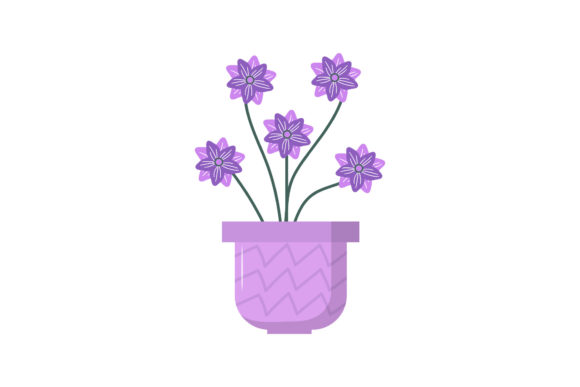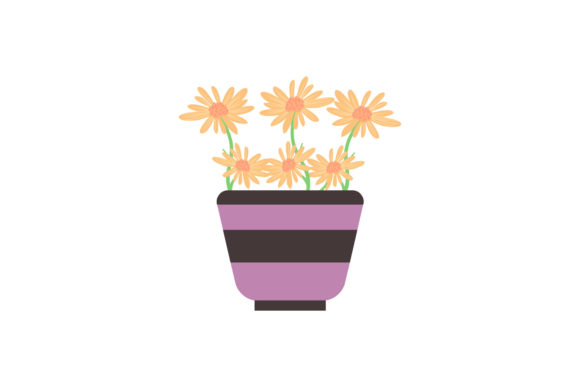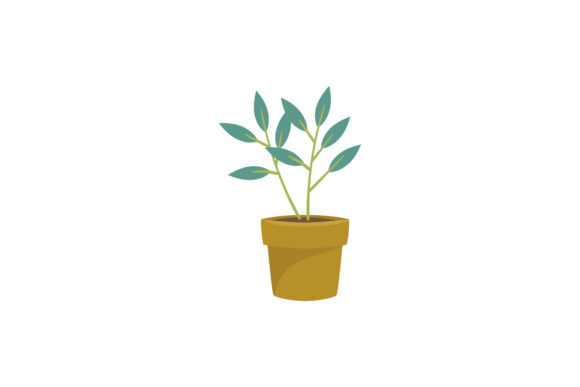
Nature Floral Houseplant Design for Graphics and Illustrations
When I first opened the file for Nature Floral Houseplant Design, my immediate reaction was one of calm appreciation. As a graphic designer who spends most of my day juggling branding projects, marketing visuals, and packaging design, I am constantly scanning for assets that can elevate a concept without overwhelming it. This illustration strikes a perfect balance between organic charm and professional polish. It feels like the kind of visual element that could anchor a brand identity for a boutique skincare line or add a touch of warmth to a seasonal campaign for a local coffee shop.
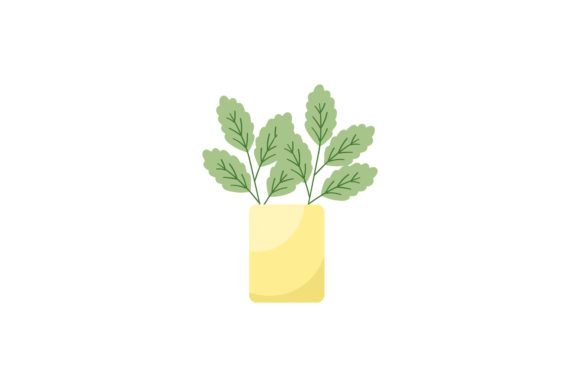
The mood created by this asset is undeniably fresh and inviting. The floral elements are rendered with enough detail to show texture, yet they remain clean enough to integrate seamlessly into complex layouts. It represents a modern botanical style that appeals to a wide demographic, from the eco-conscious consumer to the lover of handmade goods. For any client looking to project an image of growth, sustainability, or natural beauty, this design offers a strong foundation. It is not just a clipart image; it is a versatile graphic design asset that understands the nuances of contemporary aesthetic trends.
Real-World Application in Client Projects
Imagine a scenario where I am working with a small business owner launching a new line of organic bath products. They need a cohesive look across their website, social media graphics, and physical packaging. This is where Nature Floral Houseplant Design shines. In a real client project, the ability to scale an asset without losing quality is paramount. Because this comes as an AI File and an SVG Fil (vector format), I can manipulate the size effortlessly.
I tested placing this illustration on a mockup for a tote bag. The vector nature of the file meant I could resize it to cover the entire fabric surface while maintaining crisp edges. The same asset works beautifully for a product label on a glass jar, where the intricate details of the leaves provide a sense of luxury. Furthermore, for digital sellers and print-on-demand entrepreneurs, this versatility is gold. You can use it for t-shirt design, creating posters, or even crafting stickers. The prompt mentions it fits SHIRT, CLOTHES, POSTERS, STICKERS, TOTE BAGS, cards, and More, which aligns perfectly with the needs of a multi-channel creative marketplace seller.
In the realm of editorial design or blog visuals, this illustration adds a layer of emotional appeal that stock photography sometimes lacks. It feels curated and intentional. When designing a Pinterest pin or an Instagram post, having a high-quality illustration allows you to maintain brand consistency without relying solely on photos. It serves as a powerful decorative accent that guides the viewer's eye and reinforces the message of natural living.
Where This Asset Excels in Layouts
There are specific scenarios where Nature Floral Houseplant Design performs exceptionally well. It is ideal for large layout areas, such as hero graphics on a landing page or the background of a welcome email. In these contexts, the illustration acts as a visual anchor, setting the tone before the user even reads the headline. It also works wonderfully as a supporting brand element in a logo design. While it might be too detailed to serve as the sole icon for a corporate logo, it makes a stunning secondary mark for a lifestyle brand.
For crafters and Cricut users, the SVG format is a game-changer. You can easily cut this design out for vinyl decals or use it in sublimation designs for mugs and custom apparel. The file structure allows for color changes, meaning you can adapt the green hues to match a client's specific brand palette. Whether you are building a design bundle for a shop or creating a unique printable wall art piece, the editability of the SVG ensures you aren't stuck with a single static image. It transforms from a simple illustration into a customizable component of your creative workflow.
Critical Considerations for Professional Use
However, as an experienced designer, I must note where this asset requires careful handling. Not every design brief calls for a lush, botanical feel. If a client is requesting a minimalist branding package for a tech startup or a professional corporate material with strict visual hierarchy, this illustration might feel too busy or whimsical. It should be used carefully in crowded layouts where text density is high. The organic shapes of the leaves can compete with typography if not balanced correctly.
Readability is another factor to consider. When using this as a background for social media graphics or flyers, ensure there is sufficient contrast. Placing white text over the darker areas of the plant illustration will cause legibility issues. I always recommend testing the design in black and white first to check how the value distribution holds up. If the contrast is too low, the design loses impact, regardless of how beautiful the colors are.
Additionally, for projects requiring very clean lines, such as a medical brochure or a financial report, this asset may clash with the desired tone. It is best reserved for brands that want to convey approachability, creativity, and a connection to nature. Understanding the audience engagement potential is key; this design invites interaction, whereas a stark geometric shape might demand authority.
Practical Designer Notes for Implementation
Before committing to a commercial license for a client project, there are several technical checks I perform. First, I inspect the PNG transparency if included, ensuring there are no jagged edges or unwanted halos around the foliage. Since this is an SVG design, I open it in Adobe Illustrator to verify the vector paths are clean and editable. I often group the layers to make sure I can isolate specific leaves or stems if needed for a composite design.
Testing print quality is non-negotiable. Even with a vector file, I preview the design at the actual output size to ensure the resolution remains sharp. I also compare the illustration against various font styles. A script font might complement the organic curves of the leaves, while a sans serif font provides a modern contrast. A display font could amplify the artistic vibe, but a handwritten font might make the overall composition feel too informal depending on the brand voice.
Finally, confirming the commercial license is essential. If you are a digital seller or a print-on-demand seller, you must ensure you have the rights to resell or modify the item for client work. This asset is designed to support commercial design efforts, but the legal terms vary. Always review the licensing agreement to avoid any future disputes.
In conclusion, Nature Floral Houseplant Design is more than just a pretty picture; it is a functional tool for designers, brand owners, and marketers. It bridges the gap between artistic expression and practical application. Whether you are creating a design bundle, developing a brand identity, or simply adding a touch of greenery to a web design project, this illustration delivers on its promise. It helps create a polished final result that resonates with audiences seeking authenticity and style. By understanding its strengths and limitations, you can leverage this asset to produce work that feels both professional and deeply human.