Floral Frame Classic: A Designer's Real-World Embroidery Review
I have spent years stitching everything from delicate baby rompers to heavy-duty work aprons, and I have learned that the difference between a good design and a great finished product often comes down to one thing: practicality. When I first opened the files for Floral Frame Classic, my immediate reaction was not about the file formats or the technical specs, but rather how this design would behave under the needle in a real production environment. As an experienced designer and reviewer, I am looking for more than just pretty lines; I need to know if it will hold up on a tote bag, look professional on a sweatshirt, and satisfy a customer who paid top dollar for a handmade gift.
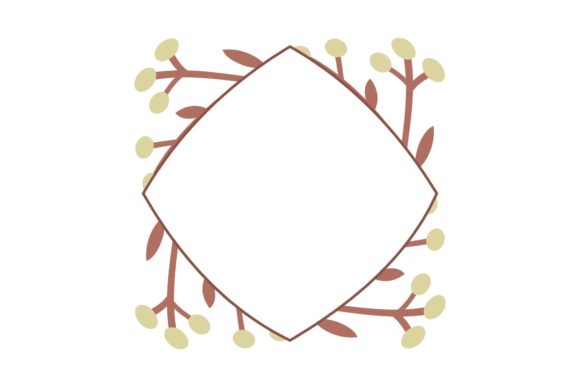
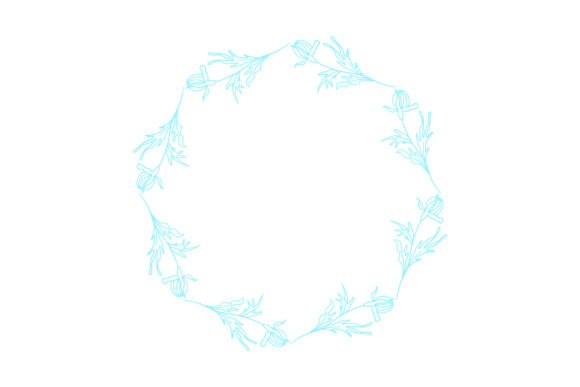
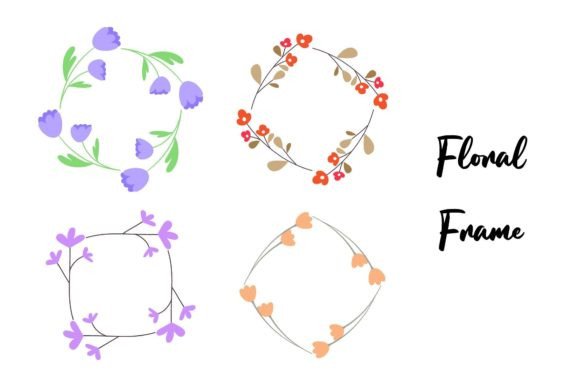
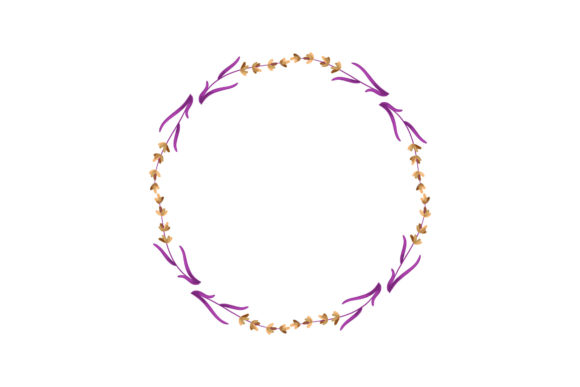
The first impression of Floral Frame Classic is one of timeless elegance. The layout creates a natural focal point that feels balanced without being overwhelming. It has a visual personality that leans towards the boutique and the curated, making it perfect for brands that want to project a sense of care and attention to detail. Unlike some trendy designs that might feel dated in six months, the classic floral motif suggests longevity. It feels like something you would find in a high-end nursery or a well-stocked craft shop, ready to be transformed into a tangible, touchable item.
Putting It to the Test: A Real-Life Scenario
Let's imagine a specific scenario. I am preparing a custom order for a local boutique owner who wants to launch a line of holiday gifts. She needs a design that works on both kitchen towels and embroidered patches for her staff uniforms. This is where Floral Frame Classic shines. The framing element provides a natural border that looks excellent on rectangular items like tea towels, while the central floral focus draws the eye perfectly on circular caps or square patches.
In this context, the design acts as a versatile anchor. For the kitchen towels, the frame gives structure to the fabric, preventing the embroidery from feeling lost in the weave. For the patches, the defined edges make trimming and finishing much easier. I can already visualize the customer's reaction when they receive a batch of these products; the consistent layout ensures brand recognition across different materials. Whether it is a personalized gift for a wedding or a commercial item for a small business, the design elevates the perceived value of the finished product instantly.
Performance Across Different Materials and Projects
When evaluating a machine embroidery design, we must consider the substrate. Floral Frame Classic is marketed as suitable for shirts, clothes, posters, stickers, tote bags, cards, and more. In my experience, its performance varies slightly depending on the surface texture and stability of the material.
- Custom Apparel and Sweatshirts: On standard cotton tees or fleece sweatshirts, the design holds its shape beautifully. The fill stitches create a nice texture that contrasts well with the soft fabric. However, on stretchy fabrics, I always recommend using a cut-away stabilizer to prevent puckering, which is a common pitfall with framed designs.
- Tote Bags and Canvas: This is where the design truly excels. The sturdy nature of canvas allows the intricate details of the floral frame to pop without getting lost. It makes for an excellent tote bag design that customers are proud to carry around town.
- Baby Embroidery: For baby clothes, the soft aesthetic is perfect. The rounded corners of the frame avoid harsh lines that might irritate sensitive skin, and the overall look is gentle and welcoming.
- Holiday Embroidery: The classic nature of the flowers means it fits almost any holiday theme. Add red thread accents, and it becomes Christmas; use pastels, and it is Easter or spring-themed.
However, there are areas where caution is required. If you are working with thin fabrics or highly textured materials like waffle-weave towels, the density of the stitches might overwhelm the base material. Similarly, on curved surfaces like caps, the flat frame might distort if the hoop size is not adjusted correctly. Always test the hoop size and ensure the design is digitized with appropriate pull compensation for the specific curve you are working on.
Navigating Potential Pitfalls
Even the best embroidery file can fail if the execution is rushed. There are specific situations where Floral Frame Classic requires careful handling. Small hoop sizes can sometimes clip the outer edges of the frame, ruining the symmetry. If you are planning to use this for a tiny patch, check the minimum stitch count and ensure the details are legible at that scale.
Dense stitch areas are another consideration. While the design looks beautiful in a digital preview, too many satin stitches in a tight space can cause thread breaks or make the fabric stiff. This is particularly important for items that need frequent washing, such as aprons or children's clothing. You want the embroidery to remain flexible and durable over time.
Dark fabrics also present a challenge. If the design relies on light thread colors to define the frame, the contrast might be lost against a black or navy background. I strongly advise testing the thread colors against your specific fabric choices before committing to a full production run. A simple black and white mockup can reveal contrast issues that color previews might hide.
Design Notes for the Professional Maker
As someone who values efficiency and quality, here are my practical notes for using Floral Frame Classic in your workflow. First and foremost, always test the design on scrap fabric. This is non-negotiable. It allows you to assess the stitch density and see how the threads interact with your chosen material.
Check the file formats carefully. The listing mentions AI, SVG, and transparent options. These are excellent for creating printable mockups and digital product previews, but remember that vector files (AI/SVG) are not directly machine-readable unless converted to a format your specific embroidery machine accepts. Ensure you have the correct conversion software or service before starting your project.
If you are an Etsy seller or a small shop owner, consistency is key to building trust. Using a design like Floral Frame Classic helps maintain a cohesive brand identity across your handmade products. Whether you are selling personalized gifts or commercial embroidery services, a clean, well-executed frame signals professionalism to your buyers.
Finally, do not forget the licensing terms. Before selling finished items or offering digital downloads, confirm what the license allows. Some designs permit personal use only, while others allow commercial sales of physical goods. Understanding these boundaries protects your craft business and ensures you are operating ethically.
In conclusion, Floral Frame Classic is a solid addition to any designer's library. It offers a blend of aesthetic appeal and structural integrity that translates well from the screen to the fabric. With the right preparation, proper stabilizers, and thoughtful color choices, it can elevate your projects from simple crafts to premium, market-ready goods. It is a tool that respects the maker's skill and the customer's expectation for quality.