Frame Floral Vector: A Real-World Embroidery Review
I have spent years stitching through fabrics ranging from delicate silk to heavy canvas, and I have reviewed countless digital files that promised the world but delivered a nightmare of thread breaks. When Frame Floral Vector landed on my desk, I didn't just see a pretty picture; I saw a potential centerpiece for a boutique collection. As an experienced designer, my first instinct is always to look past the marketing fluff and ask: does this actually work in a hoop? Can it survive the wear and tear of daily life? After running some tests and visualizing its application across various mediums, here is my honest assessment of how this design performs in real embroidery projects.
The First Impression: Mood and Visual Personality
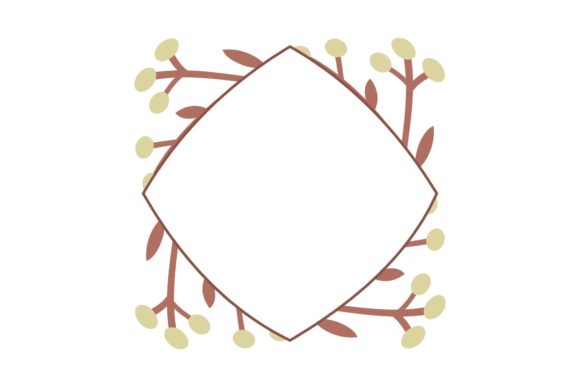
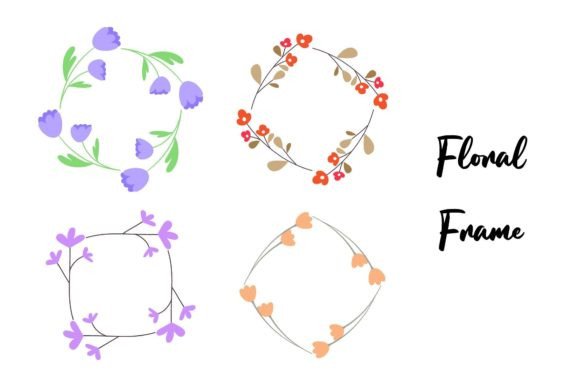
Upon opening the file, the immediate feeling is one of structured elegance. Unlike chaotic floral bursts or overly dense botanical clusters, Frame Floral Vector offers a sense of order. The layout suggests a border or a focal point that frames a message rather than overwhelming it. This creates a sophisticated mood that feels right at home in a nursery, a wedding invitation suite, or a high-end retail shop. The shapes are clean, which is a crucial indicator for machine embroidery success. It avoids the "muddy" look that often plagues vector-to-stitch conversions where too many tiny details get lost in the fabric weave.
The design naturally belongs to projects that require a touch of refinement without being ostentatious. It has a quiet confidence. Whether you are a craft business owner looking to elevate your Etsy listings or a hobbyist making a personalized gift, this piece strikes a balance between decorative flair and professional polish. It feels like a design asset that could easily transition from a digital mockup to a tangible, finished product with minimal friction.
Real-Life Application: From Tote Bags to Baby Blankets
To truly judge a design, you must imagine it on the end user's shelf. Let's say I am preparing a custom embroidered tote bag for a local artisan market. The goal is to create something durable yet stylish that customers will want to carry every day. Frame Floral Vector fits this scenario perfectly. Because it has a defined frame structure, it works beautifully as a corner accent or a central panel on a canvas tote. The open spaces within the frame allow for monogramming or small text, adding that layer of personalization that drives sales in the handmade sector.
Similarly, consider a baby item project, such as a muslin blanket or a onesie. Parents often seek designs that are gentle on the skin and visually soothing. The rounded lines of this illustration avoid sharp edges that might snag or irritate, while the floral theme remains timeless. I can easily visualize this design stitched onto a pillow cover for a guest room or a tea towel in a farmhouse-style kitchen. In these contexts, the design adds value by elevating a basic commodity into a thoughtful, curated piece of decor.
For commercial embroidery projects, the versatility is undeniable. Imagine using it on a sweatshirt for a corporate retreat or as part of a branded uniform for a coffee shop. The design acts as a cohesive element that ties a brand identity together. It is robust enough to stand up to frequent washing, provided the correct techniques are used, making it a reliable choice for small shop products that need to maintain their quality over time.
Where Caution Is Required: Fabric and Hoop Constraints
While Frame Floral Vector is versatile, no single design is a magic bullet for every situation. There are specific scenarios where this file requires careful consideration. If you are working with a very small hoop size, the outer details of the frame might become cluttered. Tiny stitches on a limited surface area can sometimes lose definition, turning a crisp line into a blob of thread. Therefore, I advise checking the minimum stitch count and ensuring your target garment can accommodate the design dimensions comfortably.
Fabric texture plays a massive role in the final outcome. On thin, stretchy fabrics like lightweight jersey or sheer silks, the tension required for the fill stitches might cause puckering. Similarly, dark fabrics can sometimes hide the nuances of lighter thread colors if the contrast isn't carefully managed. While the design is adaptable, it shines brightest on stable, medium-weight fabrics like cotton twill, denim, or felt. Using it on a curved surface like a baseball cap requires extra attention to the digitization of the corners, as the curvature can distort the symmetry of the frame.
Another critical factor is the density of the stitching. If the original file includes areas of heavy fill stitch, it may feel stiff on items like aprons or clothing that needs to drape softly. For these applications, testing the design on scrap fabric first is non-negotiable. You want to ensure the satin stitch and running stitch elements do not create a hard, unyielding patch that detracts from the comfort of the garment.
Impact on Brand Value and Customer Trust
In the world of handmade goods and digital product sellers, presentation is everything. A well-executed design like Frame Floral Vector signals professionalism. When a customer receives a product with clean lines and consistent thread tension, they perceive higher value. This directly influences buyer engagement and trust. A sloppy embroidery job can ruin the perception of an entire brand, whereas a polished design reinforces the idea of quality craftsmanship.
This design also enhances the "giftability" of a product. A framed floral motif feels intentional and considered, making it an ideal choice for holiday gifts, wedding favors, or anniversary presents. It bridges the gap between a simple craft item and a keepsake. For Etsy sellers and creative entrepreneurs, having assets that photograph well and translate cleanly to physical goods is a competitive advantage. The clean aesthetic of this illustration ensures that printable mockups look realistic and appealing, drawing more eyes to your listings.
Practical Notes for the Embroidery Designer
Before you commit to a full production run, there are several technical steps you must take to ensure success. First, always test the design on scrap fabric that matches your final material. Check the thread color contrast against both light and dark backgrounds to ensure the details pop. Review the stitch density; if it looks too heavy, you may need to adjust the settings or choose a lighter stabilizer to prevent bulkiness.
Confirm the hoop size requirements before starting. Ensure you have the proper stabilizer to support the fabric during stitching, especially if you are working on stretchy materials. Inspect the small details closely; sometimes, fine lines in a vector file need slight adjustments when converted to an embroidery file to maintain clarity. It is also wise to test the design in black and white mockups to verify the composition holds up without the distraction of color.
Finally, double-check the licensing terms. The product description mentions AI, SVG, and transparent formats, but you must confirm whether you are allowed to sell finished items made with this design or if it is restricted to personal use. Understanding these boundaries protects your business from legal issues. By following these practical steps, you can transform Frame Floral Vector from a simple digital file into a stunning, market-ready finished product that delights your customers and strengthens your brand.