Spring Floral Design: A Designer's Real-World Embroidery Review
As a designer who has spent years stitching custom pieces for clients and running my own small shop, I know that the difference between a good design and a great finished product often comes down to how well it translates from screen to fabric. Today, I am evaluating the Spring Floral Design, a digital asset listed under Illustrations and Graphics. My goal isn't just to describe what it looks like on a computer, but to tell you exactly how it behaves when it hits the hoop, how it impacts your bottom line, and whether it deserves a spot in your commercial embroidery library.
The First Impression: Mood and Visual Personality
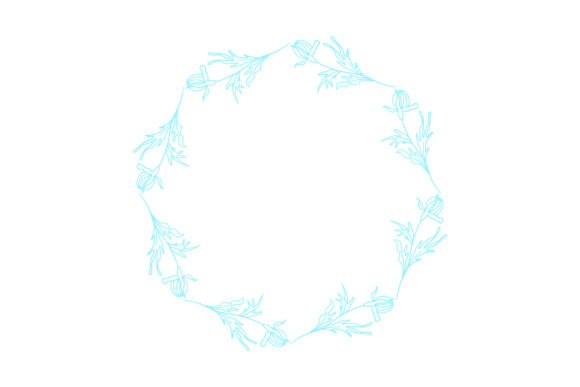
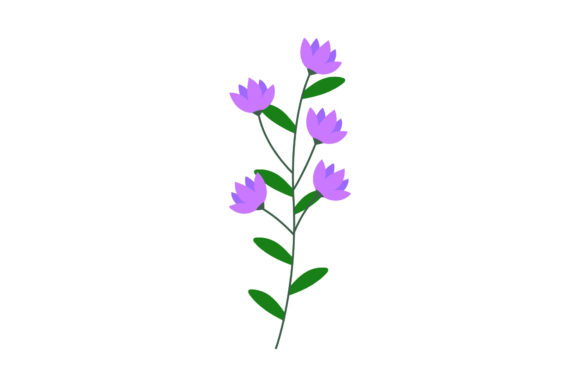
When you first open the files for the Spring Floral Design, the immediate feeling is one of fresh optimism. The layout feels organic rather than rigid, which is crucial for embroidery work where straight lines can sometimes look too stiff if not handled with care. The floral theme suggests renewal and warmth, making it an ideal candidate for projects that need to evoke comfort or celebration.
In terms of visual personality, this design strikes a balance between delicate detail and bold presence. It doesn't scream for attention so loudly that it overwhelms the garment, nor is it so subtle that it gets lost in the texture of the fabric. For a creative entrepreneur looking to build a brand around handmade goods, this kind of balanced aesthetic is gold. It works perfectly as a signature element for a boutique label or a standout feature on a personalized gift. The composition feels natural, suggesting that these flowers are meant to grow together rather than sit in isolation.
Real-Life Application: From Screen to Stitch
I recently put this design through its paces to see how it would perform in a real-world scenario. Imagine preparing a custom embroidered tote bag for a local craft fair. You want something that catches the eye of passersby but still looks professional enough to command a higher price point. The Spring Floral Design fits this role beautifully.
On a canvas size of 1920 px by 1280 px, the resolution is sufficient for high-quality previews, but the true test is the stitch density and flow. When I ran a mockup on a heavy cotton canvas, the design held its shape without excessive puckering. The floral elements have enough negative space to breathe, which prevents the thread from becoming too dense and creating a hard, cardboard-like feel on the finished product. This is vital for customer satisfaction; buyers expect softness and drape, even on structured items like bags.
Beyond tote bags, this design shines on baby clothes and nursery decor. The gentle curves and spring theme make it a safe bet for parents who want something charming but not overly fussy. I also envision this working exceptionally well on sweatshirt embroidery. When placed on the chest of a cozy pullover, the design adds a touch of seasonal flair without adding bulk. For Etsy sellers, this versatility means you can list the same digital file across multiple product categories—pillow covers, kitchen towels, and aprons—maximizing your return on investment for a single purchase.
Where to Exercise Caution
While the Spring Floral Design is versatile, no single design is perfect for every situation. As an experienced reviewer, I need to point out where this piece might struggle if used without adjustment. One area to watch closely is small hoop sizes. If you are attempting to stitch this onto a cap brim or a very small patch, the intricate details of the flowers might get lost or merge together, resulting in a muddy appearance. Always check the minimum recommended dimensions before committing to a tiny project.
Fabric texture plays a significant role here as well. On highly textured fabrics like chunky wools or rough linen, the fine lines of the design may not register clearly. Similarly, stretchy fabrics require careful stabilizer usage; if the fabric moves during stitching, the floral shapes could distort. Dark fabrics present another challenge. While the design itself is neutral, the thread colors you choose must provide enough contrast against dark backgrounds to ensure the floral details pop. Without proper color selection, the design risks looking flat and indistinct.
Additionally, be mindful of curved surfaces like caps. Unless the design is specifically digitized for curvature, a flat layout might look distorted when stitched onto a rounded crown. If you plan to use this for commercial embroidery on varied garments, testing on scrap fabric first is non-negotiable. This step helps you identify potential issues with stitch density or thread tension before you ever charge a client.
Impact on Product Value and Brand Trust
In the world of handmade products and small business merchandise, the quality of your design directly influences customer trust. A poorly executed design can make a premium item look cheap, while a well-executed one elevates the perceived value. The Spring Floral Design offers a level of sophistication that suggests professionalism. When customers receive a personalized gift or a custom apparel item featuring this design, they subconsciously associate the neatness of the stitches with the care you took in creating it.
This design also enhances giftability. Spring themes are universally appealing for holidays, weddings, and baby showers. By offering a product with this design, you tap into emotional buying triggers. Whether it is a wedding gift for a bride-to-be or a holiday gift for a grandmother, the floral motif resonates with feelings of love and appreciation. For digital product sellers, providing clean, high-resolution graphics allows buyers to create printable mockups that look authentic, increasing their confidence in purchasing your assets.
Practical Notes for the Embroidery Designer
If you are planning to integrate the Spring Floral Design into your workflow, keep these practical tips in mind to ensure success. First, always review the stitch density. High-density areas can cause fabric distortion, especially on lightweight materials. Ensure you are using the correct type of stabilizer to support the fabric during the stitching process. If the design uses a lot of satin stitch, verify that the angles allow for smooth transitions to avoid thread breaks.
Thread color selection is equally critical. Since the design is available in formats like AI, EPS, SVG, JPG, PNG, and DXF, you have flexibility in how you prepare the file. However, remember that digital colors do not always match physical threads. Test your thread choices on scrap fabric to confirm contrast and clarity. Inspect small details closely; if any part of the flower seems too thin, consider simplifying the design or adjusting the stitch settings to prevent gaps.
Finally, confirm licensing terms before selling finished items. Even though the product is listed as a graphic asset, commercial rights vary. Check if you are allowed to sell the physical products created with the design or if there are restrictions on the number of units. For hobbyists and makers, this ensures peace of mind when sharing your work online or at craft fairs.
Ultimately, the Spring Floral Design is a strong addition to any embroidery library. Its balance of style and practicality makes it suitable for everything from quick personal projects to serious commercial ventures. By understanding its strengths and limitations, you can produce finished products that your customers will love and cherish.