Spring Floral Graden Plant: A Designer's Review
I have spent years reviewing embroidery files for my own boutique and for clients who rely on high-quality, reliable designs to run their businesses. When a new asset lands on my desk, I do not just look at the image; I imagine it stitched into existence. Today, I am evaluating the Spring Floral Graden Plant design with that practical, real-world perspective in mind. This is not a marketing pitch, but an honest assessment of how this piece performs as a machine embroidery design, especially when you are preparing custom apparel or handmade products for sale.
First Impressions and Visual Personality
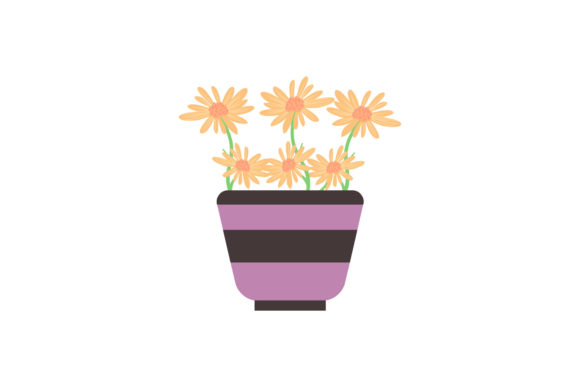
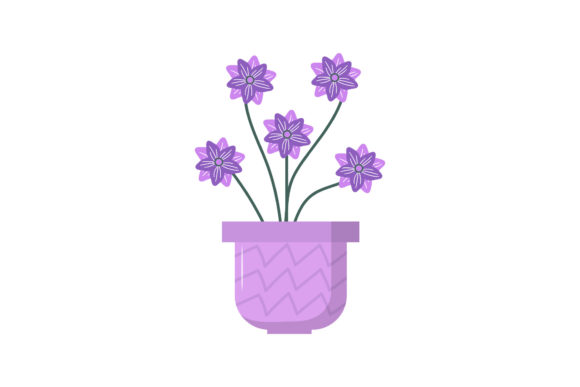
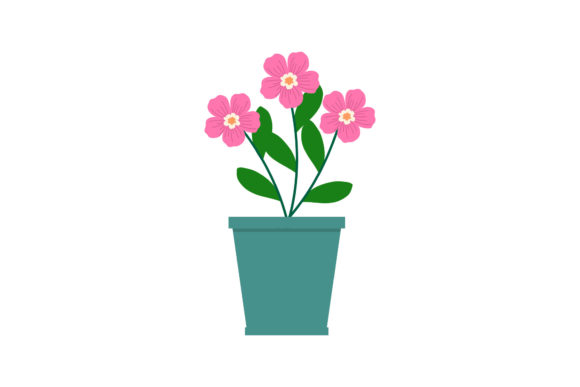
The moment you open the file for Spring Floral Graden Plant, the mood shifts. It feels fresh, organic, and undeniably welcoming. Unlike many digital graphics that feel flat or overly rigid, this illustration carries a sense of movement. The layout suggests a garden scene that has been captured in a single, vibrant moment. For an embroidery designer, the visual personality is crucial because it dictates where the design belongs. Does it scream "high-end fashion," or does it whisper "cozy home decor"? This design leans heavily into the latter, making it perfect for items that need to feel personal and handcrafted.
The detail level strikes a balance that is often hard to find. It is intricate enough to show quality workmanship but simple enough to stitch cleanly without getting lost in the fabric texture. Whether you are using satin stitch for the outlines or fill stitch for the leaves, the shapes appear to hold their structure well. This kind of visual clarity is exactly what customers expect when they purchase a personalized gift or a boutique item from an Etsy seller.
Real-World Application: From File to Finished Product
Let me walk you through a scenario I have faced countless times. Imagine you are prepping for a holiday craft fair. You want to create a line of custom embroidered tote bags featuring seasonal themes. You decide to use Spring Floral Graden Plant for your spring collection. The design fits naturally on the front panel of a canvas tote. Because the canvas size provided is 1920 px by 1280 px, the resolution is sufficient for high-quality printing on mockups, which helps attract buyers before the physical product even exists.
However, the true test happens when the thread hits the hoop. In my experience, designs like this perform exceptionally well on baby clothes, aprons, and kitchen towels. The floral theme resonates strongly with nursery decor and mother-and-child gifts. If you are selling small shop products, this design adds immediate value. It transforms a plain white sweatshirt into a statement piece that feels curated rather than mass-produced. The soft, natural lines of the plant imagery complement the tactile nature of embroidery, creating a finished product that invites touch.
For commercial embroidery projects, versatility is key. This design could easily be adapted for embroidered patches or used as a central motif on pillow covers. The fact that it is available in multiple formats—including AI, EPS, SVG, JPG, PNG, and DXF—gives you the flexibility to integrate it into various workflows. If you are a digital product seller offering printable mockups, having these vector and raster options allows you to present the design professionally across different platforms.
Where Caution Is Required
While Spring Floral Graden Plant is a strong contender, no design is universally perfect. As an experienced reviewer, I must point out where this design might struggle. If you plan to use this on a small hoop size, such as a hat or a cap brim, you need to be careful. The complexity of the floral elements might get crowded if the stitching area is too tight, leading to a loss of definition.
Fabric texture plays a massive role in the final outcome. On textured fabrics like heavy denim or boucle wool, fine details can disappear. Similarly, stretchy fabrics require extra stabilization; otherwise, the design may pucker, ruining the professional look of your custom apparel. Dark fabrics also pose a challenge. Unless you are using a heavy underlay or a specific thread color palette, the contrast might be insufficient, making the design look muddy rather than crisp.
Another critical area to watch is dense stitch areas. If the design includes sections with very high density, it may become stiff and uncomfortable, particularly on garments worn close to the skin, like baby clothing. Always inspect the small details before committing to a large production run. If the design includes tiny lettering or delicate corners, ensure your machine can handle the precision required. For products that need frequent washing, such as tea towels or aprons, check the stability of the stitches to ensure they do not snag or unravel over time.
Impact on Brand and Customer Trust
In the world of handmade goods and creative entrepreneurship, presentation is everything. Using a design like Spring Floral Graden Plant elevates your brand consistency. Customers can tell the difference between a rushed job and a thoughtfully executed project. When a design stitches cleanly, it signals professionalism and builds buyer engagement. It tells the customer that you care about the quality of your craft business.
This design also enhances giftability. A beautifully embroidered item featuring spring flora feels special and appropriate for weddings, anniversaries, or housewarming parties. It creates an emotional connection that generic graphics simply cannot achieve. By choosing a design with clear lines and a pleasant aesthetic, you increase the perceived value of your finished product, allowing you to command better prices for your services.
Practical Notes for the Embroidery Designer
Before you upload this file to your machine or start a commercial project, there are several steps you should take. First and foremost, test the design on scrap fabric. This is non-negotiable. You need to verify how the stitch density interacts with your specific material. Check the thread color contrast immediately; a design that looks great on a screen might vanish on a dark background.
Review the stitch count and confirm the hoop size requirements. While the product description mentions a canvas size of 1920 px by 1280 px, it does not explicitly state the exact stitch count or machine compatibility. You must verify these technical details to avoid mid-project failures. Ensure you are using the proper stabilizer for the fabric type you are working with, whether it is cut-away for wovens or tear-away for knits.
If you intend to sell finished items made with this design, confirm the licensing terms. Not all digital embroidery files allow for commercial resale. Additionally, test the design in black and white mockups to see how the composition holds up without color distractions. Compare how it looks on light versus dark fabric backgrounds to ensure versatility.
Ultimately, Spring Floral Graden Plant is a solid addition to any designer's library. It offers a blend of charm and functionality that suits a wide range of applications, from personalized gifts to boutique branding. However, success lies in your preparation. By understanding its strengths and respecting its limitations regarding fabric texture and hoop size, you can turn this digital asset into a stunning, tangible reality that your customers will love.